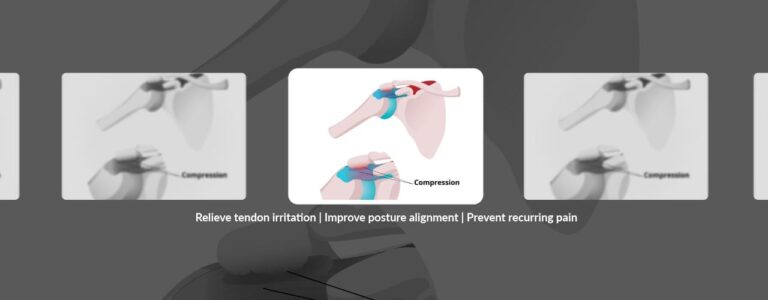


Understanding Shoulder Impingement Syndrome
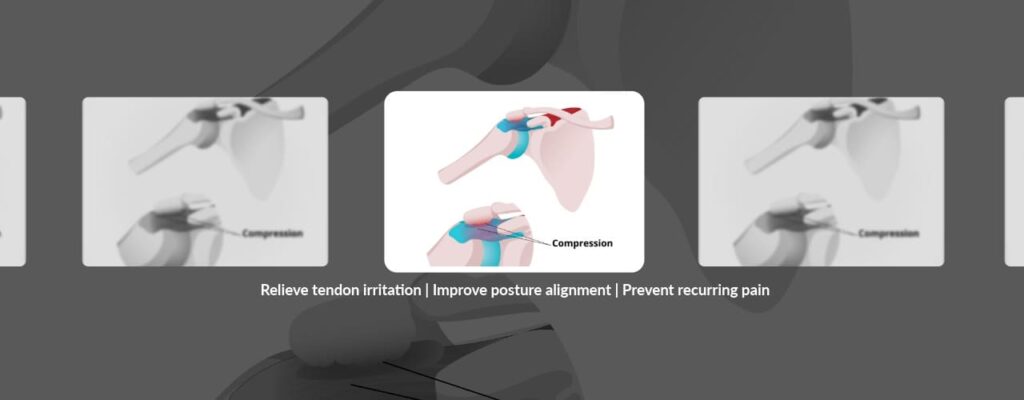
Many adults feel a pinch, ache, or sharp discomfort when lifting the arm, but they often do not know why. These symptoms may be caused by shoulder impingement syndrome, a condition that develops when soft tissues inside the shoulder become irritated during overhead or repetitive movements. Understanding how this process begins helps adults recognize early signs, protect their shoulder, and seek care before the issue worsens.
A Closer Look at How Shoulder Impingement Develops
How the Shoulder’s Structure Creates Space for Movement
The shoulder joint depends on the space between the upper arm bone and the bony arch above it.
Read full blogThe Role of Rehabilitation After Knee Surgery
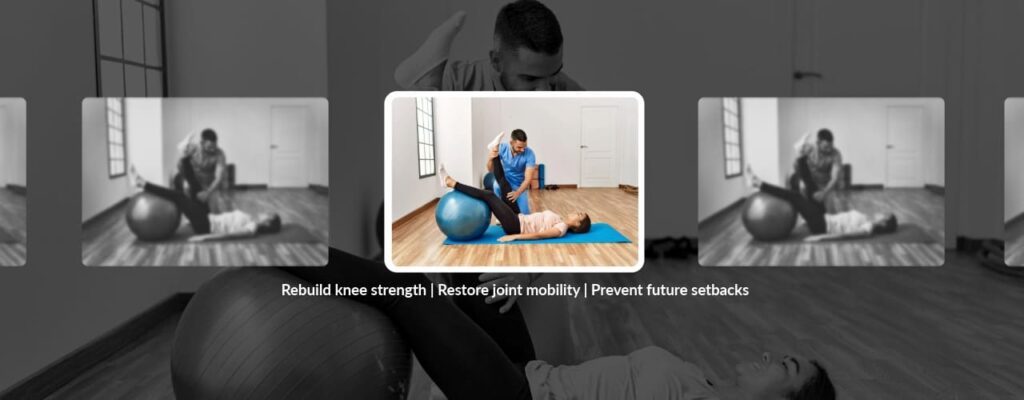
Knee surgery helps correct a structural problem, but surgery alone does not restore strength, flexibility, or balance. These abilities return through guided movement and steady strengthening. Understanding the importance of knee surgery rehabilitation helps adults recognize why physical therapy plays a crucial role in supporting healing, protecting the joint, and preventing future pain.
Why Rehabilitation Shapes Long-Term Knee Recovery
Problem: Weak Muscles Cause Instability After Surgery
Muscles around the knee weaken during the recovery period.
Read full blogWhat a Pinched Nerve in the Neck Feels Like and Why It Happens
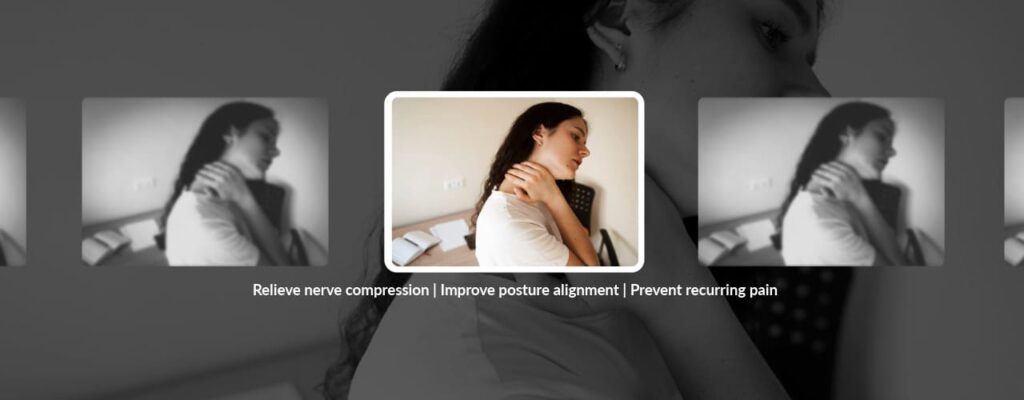
Neck discomfort can feel confusing when the symptoms spread beyond the neck itself. Many adults describe tingling, numbness, or weakness that travels into the shoulder or arm. These signs often point to a pinched nerve in neck tissues, which affects how the body sends and receives signals. Understanding how these symptoms form helps adults recognize what is happening inside the spine and why early physical therapy supports healthier, more comfortable movement.
How a Pinched Nerve in the Neck Feels During Daily Tasks
Symptoms vary depending on which nerve becomes irritated.
Read full blogWhat Causes Hip Bursitis and Why It Keeps Coming Back
Hip bursitis creates sharp or aching discomfort along the outside of the hip. Many adults feel relief after resting, but the symptoms often return with daily activity. Understanding common hip bursitis causes helps adults see why the irritation keeps coming back and how physical therapy provides long-term strategies that support healthier movement and better comfort.
Why Hip Bursitis Often Returns Even After It Improves
Problem: Tight Tissues Increase Pressure on the Hip Bursa
Tight muscles around the hip create extra pressure on the small sac that protects the joint.
Read full blogWhat Foot Pain During Walking Could Mean
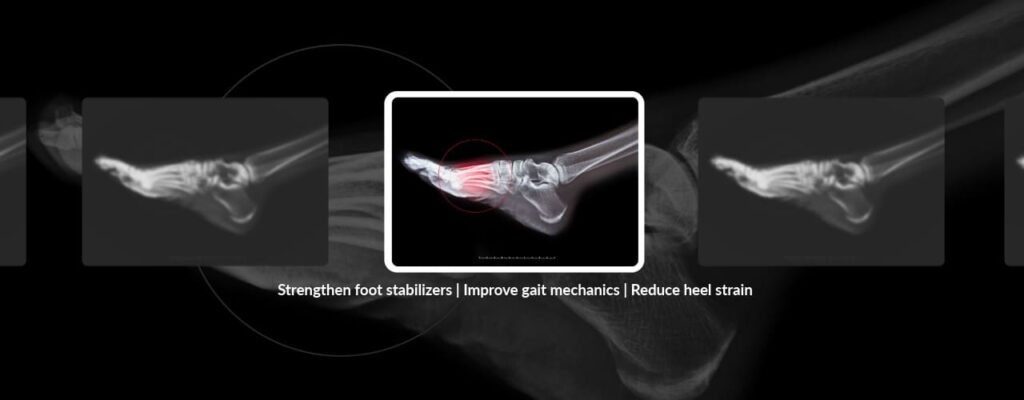
Many adults notice discomfort in their feet when they walk, yet they often hope it will fade on its own. Foot pain can start small, but over time it affects balance, posture, and daily movement. Understanding what foot pain while walking could mean helps adults make informed decisions about their health. Physical therapy provides a clear path toward identifying the cause of pain and restoring comfortable motion.
Frequently Asked Questions About Foot Pain
Is Foot Pain While Walking Always Caused by an Injury?
Read full blogWhat Happens During Rehab After Rotator Cuff Surgery

Rotator cuff surgery repairs damaged tissues, but strength, mobility, and stability return through guided movement. Many adults feel unsure about what to expect in the first weeks and how progress unfolds. Learning what happens during rehab after rotator cuff surgery helps adults feel more confident, understand each stage, and know how physical therapy supports safe, long-term recovery.
How-To Guide: What to Expect in Each Phase of Rehab After Rotator Cuff Surgery
Step 1: Protect the Repair During the Early Phase
During the first stage, the goal is protection.
Read full blogWhat Is Cervical Spine Degeneration and How Does It Cause Neck Pain
Many adults experience gradual increases in neck stiffness or aching without realizing what is causing the change. Over time, the structures in the neck lose flexibility and strength, which affects how the spine moves and absorbs stress. Understanding cervical spine degeneration helps adults see why the discomfort develops and how physical therapy supports healthy, long-term neck function.
Checklist: Key Changes That Contribute to Cervical Spine Degeneration
Change 1: Thinning of the Discs Between the Vertebrae
The discs act as cushions that support the motion of the neck.
Read full blogWhat Really Causes Frozen Shoulder and How It Starts
Frozen shoulder limits motion slowly at first, then progresses into deep stiffness that affects daily activities. Many adults do not realize the condition builds over months, not days. Understanding common frozen shoulder causes helps adults see how the problem forms and why physical therapy offers strong support during recovery. This list breaks down how the condition begins and what happens inside the joint as symptoms develop.
List of Frozen Shoulder Causes That Often Go Overlooked
Cause 1: Joint Irritation That Triggers Protective Tightening
Early irritation inside the shoulder joint may cause the surrounding tissues to tighten.
Read full blogWhat to Expect During Hip Replacement Recovery
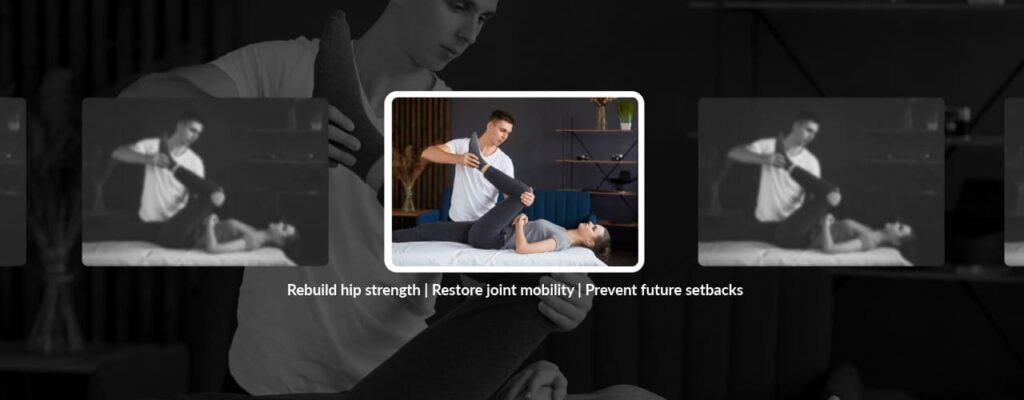
Adults preparing for surgery often feel unsure about how they will move, how long recovery will take, and what daily life will look like afterward. The hip replacement recovery process involves several stages that gradually return comfort, strength, and mobility. Understanding what is realistic versus what people often assume helps adults feel more prepared and more confident about the healing journey ahead.
Expectation vs Reality in the Hip Replacement Recovery Process
Expectation: Walking Will Feel Normal Right Away
Many adults assume that once the painful joint is replaced, walking will feel natural immediately.
Read full blogWhat to Know About Arthritis in the Shoulder Joint

Shoulder discomfort can disrupt everything from reaching overhead to getting dressed. Many adults are unaware of how arthritis affects the way a joint moves. Learning the basics of arthritis in shoulder joint pain helps adults understand why stiffness progresses and why physical therapy becomes an important part of long-term management. Comparing what the shoulder needs versus what home strategies can provide helps clarify the best path forward.
How Arthritis in the Shoulder Joint Affects Movement
Arthritis changes the smooth surfaces inside the joint.
Read full blog